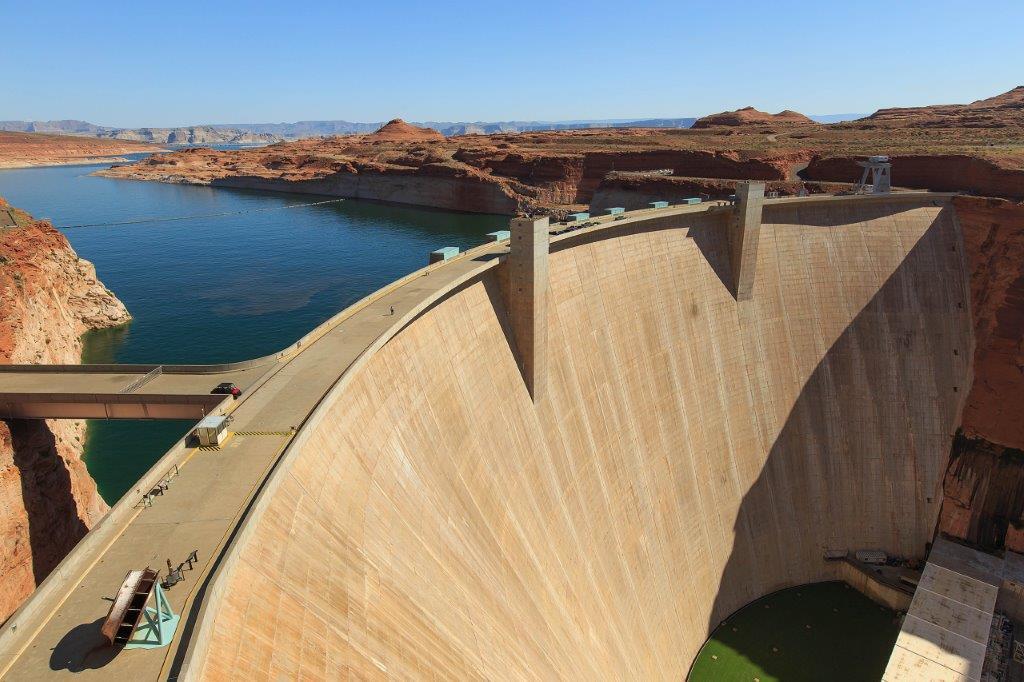
Geosynthetics, speciality nonwovens in the civil engineering field, form the backbone of numerous civil engineering projects. Nonwovens are used for separation, reinforcement and as filters in the construction of motorways, airfields, railways, sports fields, drainage trenches, dams and dykes. They are laid to form a roll and are light and easy to handle, despite their strength and toughness.
Rapid developments in infrastructure have led to huge demand for nonwovens in water conservancy, highway, railway, sea and airport projects as they satisfy the qualities needed for these demanding environments. They are strong, tear and puncture resistance, lightweight and tolerant to fluctuations in temperature. Treating geosynthetics with eco-friendly additives enhances water repellence and resistance against biological degradation for soil reinforcement that requires durability, such as the control of river bank erosion. The unique flexibility of nonwovens also makes them suitable for use in securing landfill construction and in drainage/filtration applications, as optimal separation fabrics.