Always Dispose of Wet Wipes Correctly

There are some things you can flush
and some things you can't!

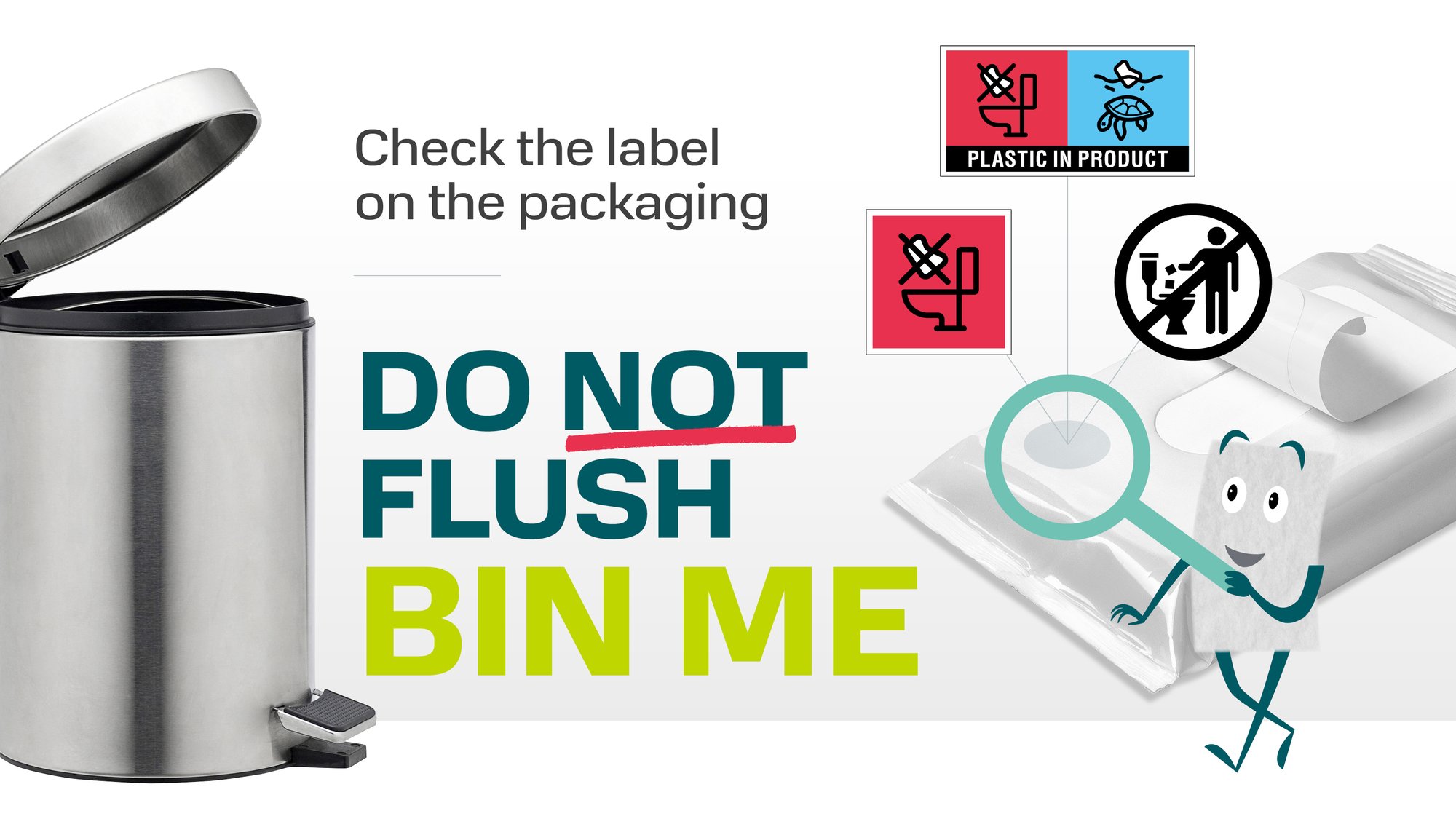
Check the label on the packaging and always
dispose of wet wipes correctly.
do_not_flush_image

Does it flush? Check for the symbol

Wet wipes perform vital hygiene and cleanliness functions for parents, families, caregivers, medical professionals, and businesses.

Wet Wipes in Daily Life

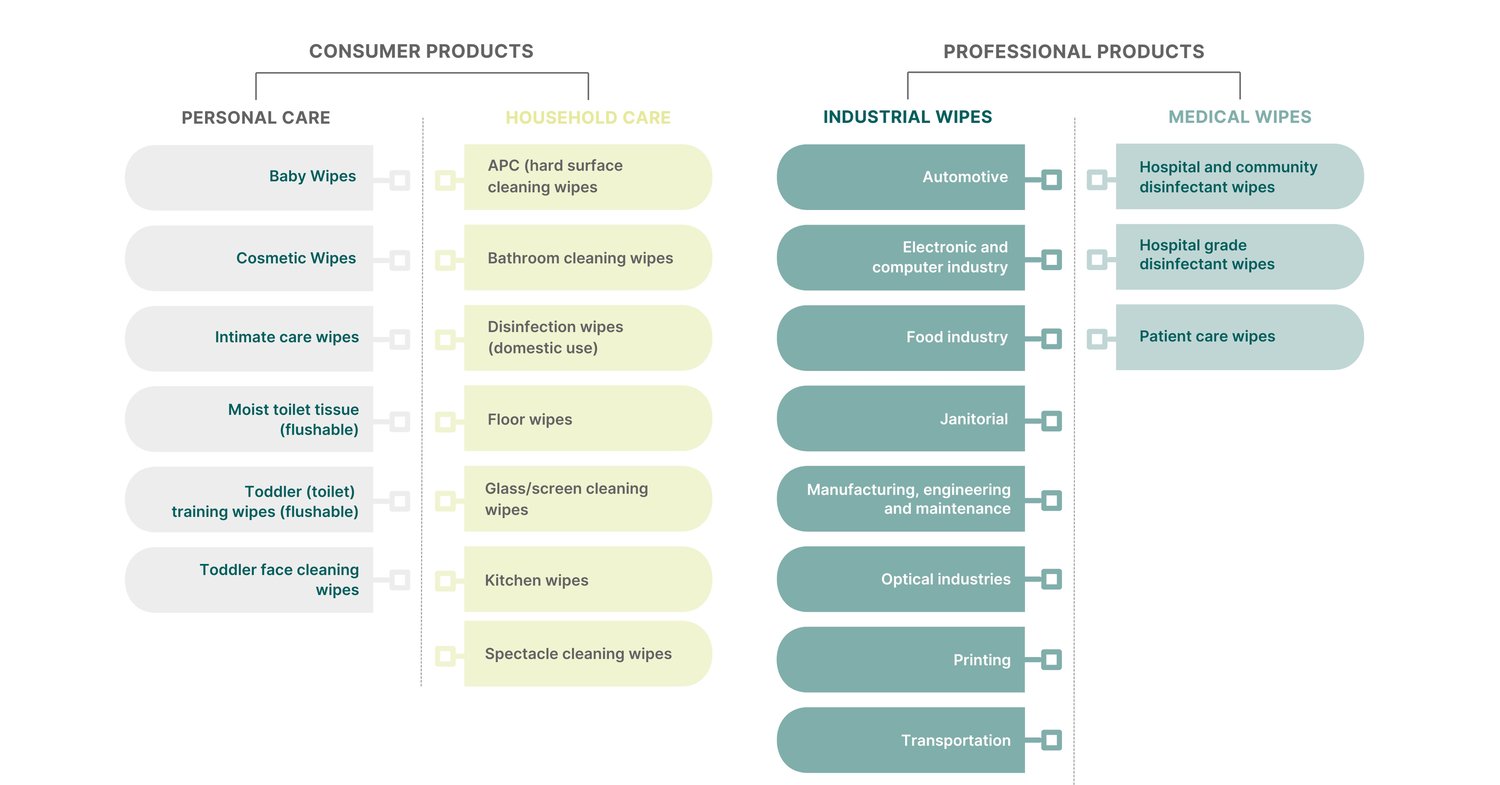
Wipes are useful in many aspects of daily life. They are divided into two main categories: consumer and professional products.

 
These are then subdivided further. Consumer products are primarily used for personal care or household purposes, while professional wipes tend to be used in the medical sector or for industrial applications.
 
Look at the image below, which showcases all the examples of wet wipes products.

Wipes Types


Flushable Wet Wipes

The word flushability refers to whether or not a product is for disposal down a toilet. Not all wet wipes can be flushed. Actually, most aren’t flushable.

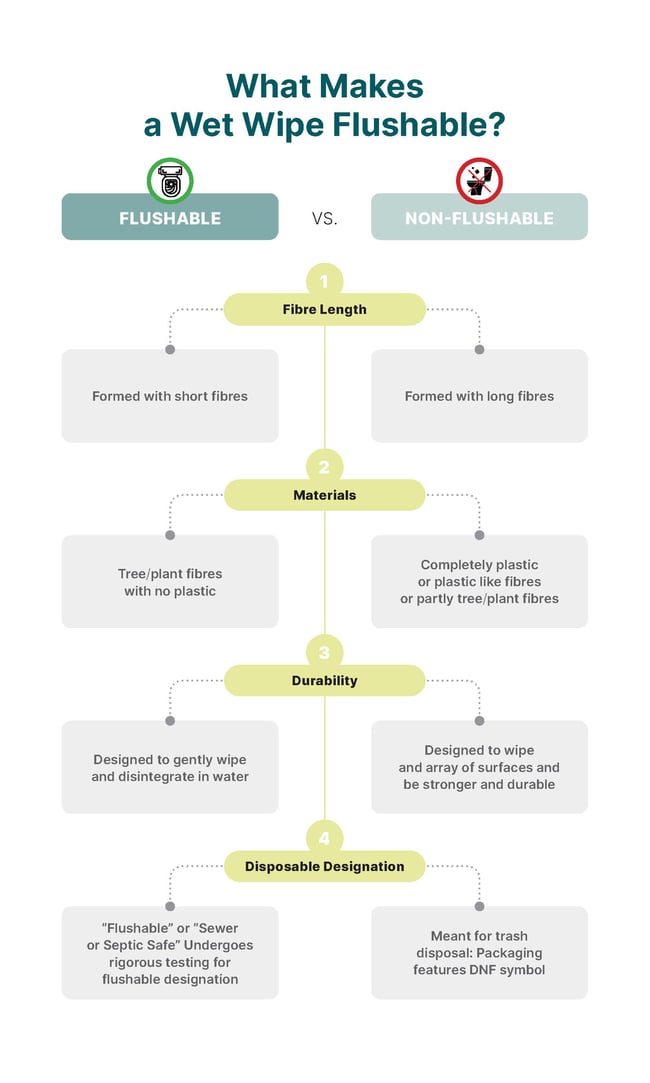
To be flushable a wet wipe needs to pass a series of tests taking all aspects of safe flushing into account. This implies wipes need to be designed to be flushed. The main differences are shown in the infographic at the right. The tests of the final product, range from ensuring a product can get past the toilet to its compatibility with sewage and septic systems and assuring the remainders that leave the wastewater treatment plant are biodegradable. An essential test is to see how quickly the products disintegrate in water.

Another way to determine flushability is to examine how the product was made. Take a wet wipe, for example. Sheets made of short, natural fibres can be used to make a flushable wipes. Short fibres pull apart more easily, allowing the product to disintegrate once flushed. Meanwhile, longer fibres are used for products where one needs a strong and eventually durable wet wipe. When flushed, these long-fibre wipes, such as baby or cleaning wipes, don’t break down in water and can adhere to fats, oils and grease in sewers to form cement-like fatbergs. And if they make it to the wastewater treatment facility, they can wrap around pumps, causing extensive damage and costly repairs.

The wet wipes industry has taken considerable care to ensure that any wet wipes marked as flushable meet the flushability testing requirements for the country where they are sold. Additionally, wet wipes packages are clearly labelled to inform consumers which wet wipes are not flushable.

In countries without a national flushability standard, flushable single-use wet wipes should adhere to the fourth edition of the internationally recognised Guidelines for Assessing the Flushability of Disposable Nonwoven Products (GD4). These guidelines have a history of 20 years of rigorous testing and regular review that comprehensively demonstrates the compatibility of flushable wipes with wastewater infrastructure.

Labelling a wet wipe as 'flushable' is not intended to promote flushing of all wet wipes; it is intended to inform consumers of suitable alternative disposal routes. For example, in the case of moist toilet tissue, it may be more convenient for hygienic reasons for consumers to dispose of these in the toilet rather than in the dustbin.

flusahble_or_not_flusable_wipes


To Flush or not to Flush?

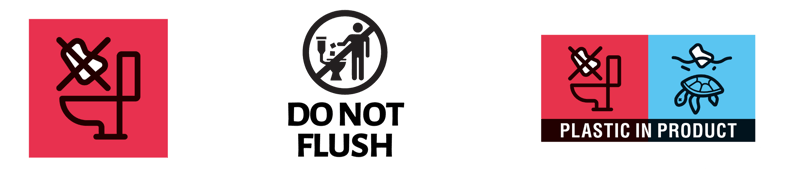
If you see these symbols, do not flush!

All these labels mean the same thing:
these wet wipes should NOT be flushed.
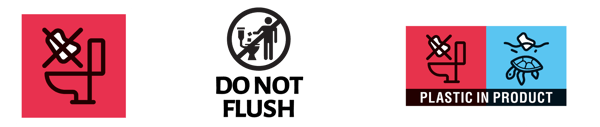
do_not_flush_image

ΓÇóWEB_SUP_MASCOTTE_1

Wet wipes packages are clearly labelled on the front of the package to inform consumers which wet wipes are not flushable.

There is no unique do not flush label and countries may have differing guidance on which label to use. Since 3 July 2021, EU Member States must ensure that single-use plastic products placed on their market bear a marking on the packaging or product itself. The marking follows rules stipulated by European Commission Regulation. This is the pictogram for wet wipes.
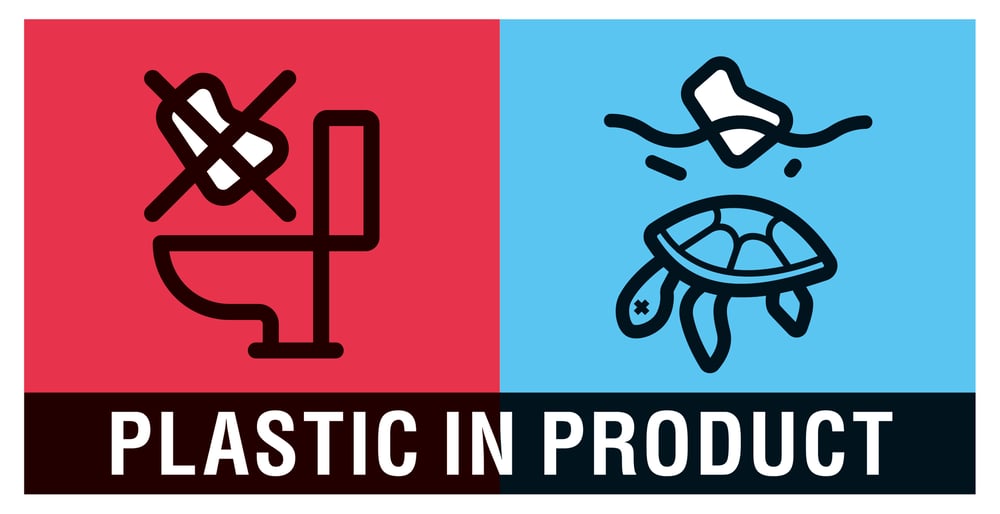
LOGO_WWIPES_DUO+
LOGO_WWIPES_SOLO+

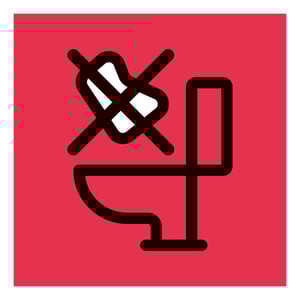
Sometimes, you may also see the red toilet label on its own without the turtle. This means that these wet wipes cannot be flushed, but they do not contain plastic. This symbol is commonly used and will eventually replace the traditional do not flush logo.

This is the original and internationally recognised do not flush pictogram for wet wipes. In Europe it has been superseded by the European Commission pictogram.
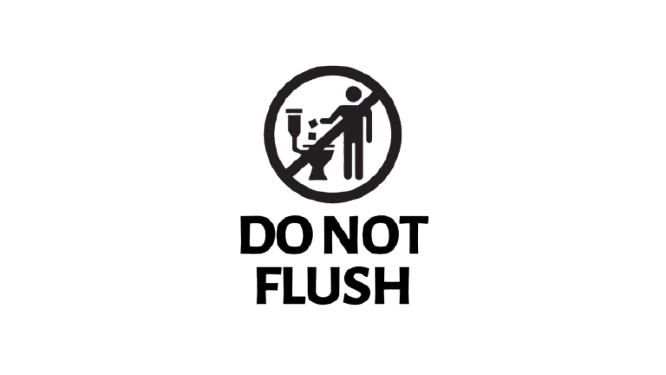
dnf-symbol-shorthand-2560x1440-removebg-preview
EDANA is currently participating in the development of an ISO (International Organisation for Standardisation) standard for flushable wipes. The standard seeks to include a clear, universally recognised labelling system: either a positive label for flushable wipes or a ‘do not flush’ label for all non-flushable wipes. Developing the draft ISO Standard is ongoing, and the outcome has yet to be decided. In the meantime, manufacturers continue to clearly inform consumers of the appropriate route(s) for the disposal of wet wipes and to label products accordingly.
ΓÇóWEB_SUP_MASCOTTE_2